
 Hassan Raza
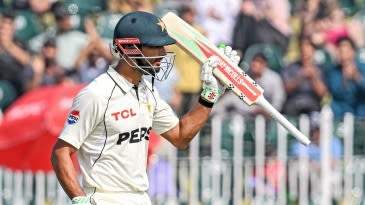
Pakistan 259 for 5 (Masood 87, Shafique 57, Maharaj 2-63, Harmer 2-75) vs South Africa
Match Overview: A Day Defined by Grit and Missed Opportunities
The opening day of the second Test between Pakistan and South Africa in Rawalpindi echoed the tension and tempo of their previous encounter in Lahore. Pakistan, having elected to bat first on a slow, deteriorating pitch, reached stumps at 259 for 5-a position of cautious strength, yet far from unassailable.
While the surface offered little early for the spinners, there were hints of variable bounce and some reverse swing as the ball aged. Pakistan’s top and middle order approached the day with caution, maintaining a scoring rate just below three runs per over. The hosts will be satisfied with their foundation, especially considering the challenges the pitch may pose in the days ahead.
South Africa’s Missed Chances Prove Costly
South Africa’s fielders let four clear opportunities slip through their fingers, three off Abdullah Shafique-who capitalized to notch his sixth Test half-century-and one off Shan Masood, who led the scoring with a composed 87. Beyond those drops, the Proteas created several more half-chances, finding the edge frequently only to see the ball fall short of fielders. Had they held their catches, Pakistan’s situation could have been far more precarious.
Key Partnerships and Standout Performances
The backbone of Pakistan’s innings was a 111-run stand for the second wicket between Shafique and Masood. Shafique contributed a steady 57 before falling to Simon Harmer, while Masood anchored the innings, ultimately dismissed 13 runs short of a hundred. Saud Shakeel provided valuable support late in the day, remaining unbeaten on 42 at the close.
Maharaj and Harmer Lead South Africa’s Attack
Keshav Maharaj emerged as South Africa’s most effective bowler, extracting subtle turn and bounce, and finishing with 2 for 63. Simon Harmer also chipped in with two wickets, though both spinners found the lifeless pitch hard work for long stretches.
How the Day Unfolded: Session by Session
Morning: Early Drama and Missed Opportunities
The day could scarcely have started better for South Africa when Kagiso Rabada found Shafique’s edge in the opening over, only for Tristan Stubbs to put down a regulation catch at third slip. More chances followed as South Africa’s seamers and spinners probed away-Shafique was reprieved twice more before lunch-but Pakistan survived the early storm to reach 95 for 1 at the interval.
Afternoon: Steady Progress and Frustration for South Africa
Shafique’s luck eventually ran out as Harmer found his edge down the leg side, but not before he had posted a patient half-century. Shan Masood continued to accumulate, and Babar Azam briefly threatened to dominate, though he too benefitted from South African lapses in the field. When Babar was finally removed by a sharp, low catch from Tony de Zorzi at silly mid-off, the visitors sensed a way back into the contest.
Evening: South Africa Find Reward, But Pakistan Hold Firm
After tea, Pakistan added 31 largely untroubled runs before the old ball began to reverse for Marco Jansen, creating anxious moments for the batsmen. Masood, eyeing a century, fell attempting a sweep off Maharaj, top-edging to Jansen in the deep. Mohammad Rizwan survived a scare when an edge fell short of slip, but was soon trapped lbw by Rabada with the second new ball just before stumps. Saud Shakeel and Salman Agha ensured no further damage, steering Pakistan to the close after 91 overs of hard-fought cricket.
Looking Ahead
With the pitch showing early signs of wear and both teams having missed key opportunities, the second day promises to be pivotal. Pakistan will aim to build on their solid platform, while South Africa will hope for sharper fielding and early breakthroughs to tilt the balance in their favour.






Leave a Reply