 Hassan Raza
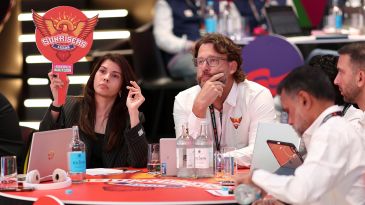
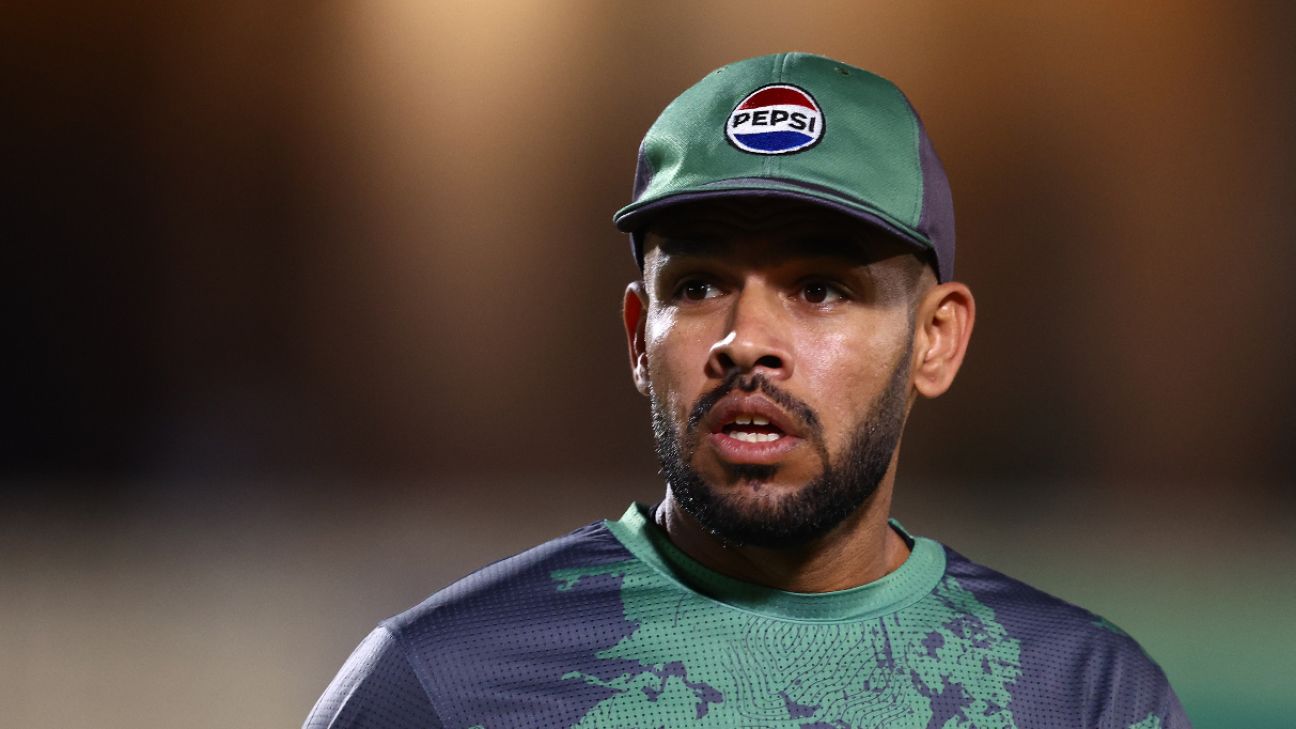
Sunil Gavaskar, one of India’s most respected cricketing icons, has taken a strong stance against Sunrisers Leeds following their decision to sign Pakistan’s spinner Abrar Ahmed for the upcoming Men’s Hundred season. Gavaskar’s remarks, published in his recent newspaper column, have reignited discussions around the complexities of Indo-Pak sporting relations and the responsibilities of franchise owners.
Controversial Signing Amid Political Tensions
Sunrisers Leeds, previously known as the Northern Superchargers and based at Headingley, made headlines after acquiring Abrar Ahmed for £190,000 during the latest Men’s Hundred auction. The franchise is owned by the Sun Group, which also operates the IPL team Sunrisers Hyderabad.
This move came despite widespread speculation that IPL-affiliated franchises would avoid signing Pakistani players due to the ongoing political friction between India and Pakistan. The recent four-day military conflict in May 2025 further heightened sensitivities, leading to significant backlash on social media and within cricketing circles.
Gavaskar’s Perspective: Financial and Ethical Concerns
Gavaskar, writing in his column for Mid-Day, expressed deep concern over the deal. He argued that payments made to Pakistani players, who subsequently pay taxes to their government, could be indirectly contributing to the funding of arms used against Indian soldiers and civilians.
“The furore created by the acquisition of a Pakistani player by the Indian owner of a franchise in The Hundred is hardly surprising,” Gavaskar wrote. He referenced the aftermath of the 2008 Mumbai attacks, noting that Indian franchises have since distanced themselves from Pakistani players in the IPL. “It’s as simple as that. There’s still time to undo the wrong and hopefully wiser counsels will prevail,” he added, urging ownership to reconsider their decisions.
Background: Cricketing Boycotts and Recent Developments
Since 2009, Pakistani players have been unofficially barred from participating in the IPL, and bilateral series between India and Pakistan have been suspended since the 2012-13 season. Even neutral fixtures, such as their recent T20 World Cup encounter in Sri Lanka, have been fraught with tension-highlighted by the absence of the customary handshake between captains at the toss.
At the recent Men’s Hundred auction in London, Sunrisers Leeds’ head coach Daniel Vettori stated that there were no explicit instructions from ownership regarding which players to pursue. However, Gavaskar believes that owners, particularly those of Indian origin, should be more mindful of the broader implications of their decisions.
League Response and Broader Implications
Earlier this year, a BBC report suggested that IPL-linked teams were unlikely to bid for Pakistani players. In light of this, the England and Wales Cricket Board (ECB) reiterated its anti-discrimination policies, reminding all franchises that player selection should not be based on nationality. A joint statement was issued to reinforce this commitment.
Despite this, only two Pakistani men-Abrar Ahmed and Usman Tariq (who joined Birmingham Phoenix)-were signed out of seven who entered the Hundred auctions. Notably, both Pakistani women cricketers in the draft, Fatima Sana and Sadia Iqbal, went unsold.
A Debate That Extends Beyond Cricket
Gavaskar’s public intervention underscores the deep-rooted complexities at the intersection of sport, politics, and national identity. With the Men’s Hundred season set to begin in July, the controversy surrounding Abrar Ahmed’s signing is likely to remain a focal point, reflecting the continuing challenges of maintaining neutrality and inclusivity in global franchise cricket.


Leave a Reply